


Cross-country Skiing
"Glide through snowy forests and across frozen lakes on a pair of cross-country skis. Experience the thrill of the winter wilderness as you breathe in the crisp, cold air and exert yourself in a full-body workout. Whether you're a seasoned pro or a beginner looking for a new outdoor adventure, cross-country skiing has something for everyone."
Cross-country skiing, also known as Nordic skiing, is a popular winter sport that involves skiing over long distances on groomed trails. Unlike downhill skiing, cross-country skiing is done on relatively flat terrain, and involves propelling oneself forward through the use of skis and poles.
The origins of cross-country skiing can be traced back to Scandinavia, where it has been a traditional means of transportation for centuries. Today, it is enjoyed by people all over the world as a recreational activity and competitive sport.
One of the great things about cross-country skiing is that it can be done almost anywhere there is snow. From groomed trails at ski resorts to backcountry routes through remote forests, the options for where to ski are endless. Many people also enjoy skiing on frozen lakes and rivers, which provide a unique and beautiful setting for the sport.
In terms of why you should try cross-country skiing, there are many benefits. In addition to being a fun and exciting outdoor activity, cross-country skiing is also an excellent form of exercise. It works the entire body, including the arms, legs, and core, and can provide a great cardiovascular workout. It's also a low-impact activity, making it easier on the joints compared to other high-impact sports.
To get started with cross-country skiing, all you need is a pair of skis, poles, and proper footwear. You can choose between classic cross-country skis, which are narrow and have a groomed track down the middle, or skate skis, which are wider and allow you to push off to the side to mimic ice skating. You can also choose between different types of bindings and boots, depending on your preference and skill level.
Once you have your equipment, it's time to hit the trails! If you're a beginner, it's a good idea to take a lesson or two to learn the basics of technique and safety. With a little practice and persistence, you'll soon be gliding through the snowy landscape with ease.
So why wait? Bundle up and hit the trails for a thrilling and rewarding experience on cross-country skis.
Here's some of our favorite cross-country ski trails
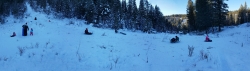
Bear Gulch
Ashton, Idaho
9.7 miles NE of Ashton, IdahoAn abandoned ski hill from 1969 with overgrown runs that still deliver great sledding — the lower run is fast and winding all the way down to the old ski lift.
Camp, Cross-country Ski, Hike, Sled Add Location 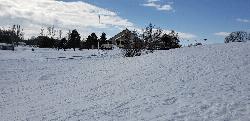
Teton Lakes Golf Course
Rexburg, Idaho
1.7 miles NW of Rexburg, IdahoA year-round golf course that transforms into a free cross-country ski destination in winter, with over two miles of groomed set and skate tracks — plus the community Cupid Cup XC race each season.
Cross-country Ski, Sled 0.6-4.7 mi
Harriman State Park
Island Park, Idaho
8.3 miles SW of Island Park, IdahoAn 11,000-acre wildlife refuge 38 miles from Yellowstone along Henry's Fork — world-class fly-fishing, hiking among wildflowers and wildlife, plus 24 miles of Nordic ski trails in winter.
Cross-country Ski, Hike, Horseback, Mountain Bike, Snowshoe 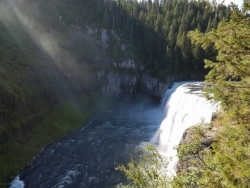
Mesa Falls
Ashton, Idaho
10.0 miles NE of Ashton, IdahoUpper Mesa Falls drops 114 feet and spans 300 feet across the Henrys Fork — just 0.2 miles of paved walkway from the parking lot, with platforms, handrails, and morning rainbow mist.
Cross-country Ski, Hike, Kayak 3.2-47.0 mi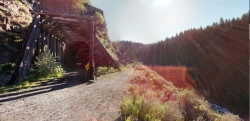
Yellowstone Branch Line Trail
Ashton, Idaho
7.6 miles NE of Ashton, IdahoA 39-mile trail from Warm River to the Montana border — open to backpackers, hikers, mountain bikers, horseback riders, and ATVs through the Targhee National Forest.
Backpack, Cross-country Ski, Hike, Horseback, Mountain Bike 
Mueller Park Trail
Bountiful, Utah
2.9 miles SE of Bountiful, UtahSmooth buff singletrack climbs gradually for 6.5 miles through Mueller Park before rewarding mountain bikers with fast, flowy descents all the way back down.
Cross-country Ski, Hike, Mountain Bike 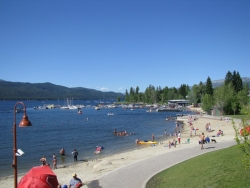
Mccall Area
McCall, Idaho
10.4 miles NE of McCall, IdahoA beautiful Idaho resort town with swimming holes, 7-mile mountain hikes to isolated lakes, Ponderosa State Park trails, mountain biking, Payette Lake boating, skiing, and sledding — all within reach of McCall.
Backpack, Camp, Canoe, Cross-country Ski, Hike, Kayak, Mountain Bike, Sled, Snowshoe, Swim 5.7-8.1 mi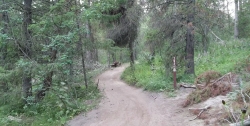
Space Cruz
Ririe, Idaho
9.0 miles E of Ririe, IdahoFlowy singletrack connecting to ATV trails with great berms, small jumps, and a thistle patch best attacked at speed — just watch out for cows at the junctions.
Cross-country Ski, Mountain Bike 1.1 mi
Christopher Creek Campground
Payson, Arizona
17.3 miles E of Payson, ArizonaA creekside campground east of Payson with swimming holes, small waterfalls, spring trout stocking, and cross-country skiing in winter — open for day-use and overnight camping spring through fall.
Camp, Canyoneer, Cross-country Ski, Hike, Swim 7.1 mi
Mill Creek Trail
Moose, Wyoming
15.3 miles NW of Moose, WyomingA cross-country downhill mountain bike ride at 7,000–10,000 ft elevation, linking Targhee resort via Lightning Ridge and Colter's Escape down Mill Creek into Teton Canyon — best shuttled for the descent.
Cross-country Ski, Mountain Bike, Snowshoe
- Plan Ahead and Prepare. Know the regulations and special concerns for the area you'll visit. Prepare for extreme weather, hazards, and emergencies. Schedule your trip to avoid times of high use. Visit in small groups when possible. Consider splitting larger groups into smaller groups. Repackage food to minimize waste. Use a map and compass to eliminate the use of marking paint, rock cairns or flagging.
- Travel & camp on durable surfaces. Durable surfaces include established trails and campsites, rock, gravel, dry grasses or snow. Protect riparian areas by camping at least 200 feet from lakes and streams. Good campsites are found, not made. Altering a site is not necessary.
- Dispose of waste properly. Pack it in, pack it out. Inspect your campsite and rest areas for trash or spilled foods. Pack out all trash, leftover food and litter. Deposit solid human waste in catholes dug 6 to 8 inches deep, at least 200 feet from water, camp and trails. Cover and disguise the cathole when finished. Pack out toilet paper and hygiene products. To wash yourself or your dishes, carry water 200 feet away from streams or lakes and use small amounts of biodegradable soap. Scatter strained dishwater.
- Leave what you find. Preserve the past: examine, but do not touch cultural or historic structures and artifacts. Leave rocks, plants and other natural objects as you find them. Avoid introducing or transporting non-native species. Do not build structures, furniture, or dig trenches.
- Minimize campfire impacts. Campfires can cause lasting impacts to the environment. Use a lightweight stove for cooking and enjoy a candle lantern for light. Where fires are permitted, use established fire rings, fire pans, or mound fires. Keep fires small. Only use sticks from the ground that can be broken by hand. Burn all wood and coals to ash, put out campfires completely, then scatter cool ashes.
- Respect wildlife. Observe wildlife from a distance. Do not follow or approach them. Never feed animals. Feeding wildlife damages their health, alters natural behaviors, and exposes them to predators and other dangers. Protect wildlife and your food by storing rations and trash securely. Control pets at all times, or leave them at home. Avoid wildlife during sensitive times: mating, nesting, raising young, or winter.
- Be considerate of other visitors. Respect other visitors and protect the quality of their experience. Be courteous. Yield to other users on the trail. Step to the downhill side of the trail when encountering pack stock. Take breaks and camp away from trails and other visitors. Let nature's sounds prevail. Avoid loud voices and noises.


