


Disc Golfing
Are you ready to join the fast-growing sport of disc golf? This thrilling outdoor activity combines the strategy of golf with the athleticism of throwing a frisbee. With courses popping up all over the world, it's easy to find a place to play.
So, what is disc golf? It's a game where players throw a specialized golf disc (similar to a frisbee) from a tee pad to a basket target. The goal is to complete each hole in the fewest number of throws. Just like traditional golf, each hole has a par score that represents the expected number of throws it should take an experienced player to complete.
Disc golf can be played almost anywhere, from city parks to wooded forests. Many courses are free to use and can be found on the Professional Disc Golf Association's website or by using the Disc Golf Course Review app.
One of the great things about disc golf is that it's easy to learn and can be enjoyed by people of all ages and skill levels. The basic rules and techniques can be picked up quickly, making it a fun activity for the whole family.
So why give disc golf a try? For starters, it's a great way to get outside and get some exercise. It's also a great social activity, as many players enjoy playing in groups and meeting new people on the course. And with the low cost of equipment and free access to many courses, it's an affordable way to have fun.
Ready to give disc golf a shot? Here's what you'll need to get started:
A set of golf discs: these come in a variety of weights, sizes, and shapes to suit different throwing styles and shots. It's a good idea to start with a beginner set that includes a putter, midrange, and driver disc.
A disc golf bag: this will help you carry your discs and any other gear you might need on the course.
Comfortable shoes: you'll be walking and throwing, so wear shoes that are comfortable and provide good support.
Now that you have the basics, it's time to hit the course! Find a nearby course and give disc golf a try. With a little practice and a lot of fun, you'll be well on your way to becoming a disc golf pro.
Here's some of our favorite folf courses

Beaver Dick Park
Rexburg, Idaho
5.7 miles W of Rexburg, IdahoA 9.5-acre Snake River park near Rexburg with fire pits, pavilions, fishing, boating, swimming, and a rich history tied to legendary frontiersman Beaver Dick Leigh.
Camp, Canoe, Disc Golf, Swim Add Location 0.1-0.3 mi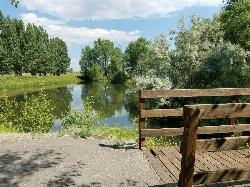
Rexburg Nature Park
Rexburg, Idaho
0.8 miles NW of Rexburg, IdahoA peaceful 15-acre nature park near the South Fork of the Teton River with duck ponds, wildflowers, playground, fishing ponds, bike trails, and easy walking paths — next to a golf course and disc golf.
Disc Golf 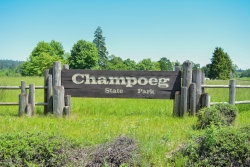
Champoeg State Park
Saint Paul, Oregon
4.9 miles NE of Saint Paul, OregonA historic pioneer park on the Willamette River with camping, boating, fishing, hiking, trail running, biking, disc golf, summer amphitheater concerts, and yurts and cabins to stay the night.
Camp, Disc Golf, Hike, Mountain Bike 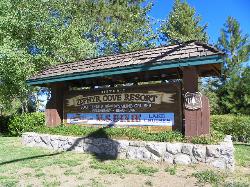
Zephyr Cove Park
Glenbrook, Nevada
5.5 miles S of Glenbrook, NevadaSix tennis courts, disc golf, a sledding hill, a beach, and a fishing pond all at one free park make Zephyr Cove one of Lake Tahoe's most versatile family hangouts.
Camp, Canoe, Disc Golf, Hike, Horseback, Kayak, Swim 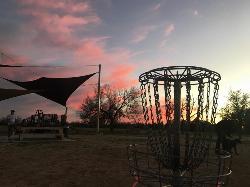
Groves Park, East Juniper Drive, Tucson, AZ, USA
Tucson, Arizona
6.5 miles SE of Tucson, ArizonaA grassy, cactus-fringed Tucson park with 9 baskets spread across 18-hole routing (A and B pads), picnic tables, and a canopied playground — a laid-back spot to practice or bring the family.
Disc Golf 1.6 mi
Aquatic Park
Berkeley, California
1.6 miles W of Berkeley, CaliforniaEighteen holes on a mostly flat course right off the bay, with open fairways, scattered trees, water hazards nearby, and sweeping views of San Francisco — though wind can be fierce.
Disc Golf 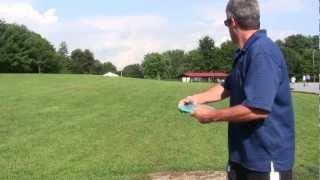
Tom Mantsch Disc Golf Course
Hendersonville, North Carolina
7.2 miles W of Hendersonville, North CarolinaA short, mostly open disc golf course winding around baseball fields and courts in a Hendersonville park — free and accessible to all.
Disc Golf 
Golden Gate Park Disc Golf Course
San Francisco, California
3.7 miles W of San Francisco, CaliforniaAn 18-hole disc golf course in the beautiful Marx Meadow area of Golden Gate Park with a mix of open and wooded holes on concrete tees — popular on weekends and warm days.
Disc Golf 2.2-2.3 mi
Richmond Hill
Asheville, North Carolina
2.7 miles NW of Asheville, North CarolinaAn 18-hole wooded disc golf course at Richmond Hill Park in Asheville spanning 6,093 feet — hilly, challenging, and set in a 183-acre park with mountain biking, hiking, and birding.
Disc Golf, Hike, Mountain Bike 
Oshtemo Township Park
Kalamazoo, Michigan
5.4 miles W of Kalamazoo, MichiganAn 18-hole disc golf course winding through wooded areas, open fields, and rolling terrain in Oshtemo Township Park — with water features, varied obstacles, and a well-maintained layout for all skill levels.
Disc Golf
- Plan Ahead and Prepare. Know the regulations and special concerns for the area you'll visit. Prepare for extreme weather, hazards, and emergencies. Schedule your trip to avoid times of high use. Visit in small groups when possible. Consider splitting larger groups into smaller groups. Repackage food to minimize waste. Use a map and compass to eliminate the use of marking paint, rock cairns or flagging.
- Travel & camp on durable surfaces. Durable surfaces include established trails and campsites, rock, gravel, dry grasses or snow. Protect riparian areas by camping at least 200 feet from lakes and streams. Good campsites are found, not made. Altering a site is not necessary.
- Dispose of waste properly. Pack it in, pack it out. Inspect your campsite and rest areas for trash or spilled foods. Pack out all trash, leftover food and litter. Deposit solid human waste in catholes dug 6 to 8 inches deep, at least 200 feet from water, camp and trails. Cover and disguise the cathole when finished. Pack out toilet paper and hygiene products. To wash yourself or your dishes, carry water 200 feet away from streams or lakes and use small amounts of biodegradable soap. Scatter strained dishwater.
- Leave what you find. Preserve the past: examine, but do not touch cultural or historic structures and artifacts. Leave rocks, plants and other natural objects as you find them. Avoid introducing or transporting non-native species. Do not build structures, furniture, or dig trenches.
- Minimize campfire impacts. Campfires can cause lasting impacts to the environment. Use a lightweight stove for cooking and enjoy a candle lantern for light. Where fires are permitted, use established fire rings, fire pans, or mound fires. Keep fires small. Only use sticks from the ground that can be broken by hand. Burn all wood and coals to ash, put out campfires completely, then scatter cool ashes.
- Respect wildlife. Observe wildlife from a distance. Do not follow or approach them. Never feed animals. Feeding wildlife damages their health, alters natural behaviors, and exposes them to predators and other dangers. Protect wildlife and your food by storing rations and trash securely. Control pets at all times, or leave them at home. Avoid wildlife during sensitive times: mating, nesting, raising young, or winter.
- Be considerate of other visitors. Respect other visitors and protect the quality of their experience. Be courteous. Yield to other users on the trail. Step to the downhill side of the trail when encountering pack stock. Take breaks and camp away from trails and other visitors. Let nature's sounds prevail. Avoid loud voices and noises.


