


Rock Climbing
"Feeling the rush of adrenaline as you scale the rugged face of a towering rock wall, the sound of your own breath echoing in your ears - this is the allure of outdoor rock climbing. From the craggy cliffs of Yosemite National Park to the sheer limestone walls of Thailand's Railay Beach, climbers of all skill levels can find an exciting challenge in nature's playground. But what exactly is outdoor rock climbing, and how can you get started? Here's a beginner's guide to the thrilling world of anchored route climbing."
Outdoor rock climbing is a physical and mental sport that involves ascending natural rock formations or artificial rock walls using specialized equipment and techniques. Unlike trad climbing, which involves placing temporary protection into the rock as you climb, anchored route climbing involves using pre-placed bolts and other permanent anchors to attach the climbing rope. This type of climbing is more popular for beginners and allows for a more controlled and safe environment.
There are many different styles of outdoor rock climbing, including sport climbing, trad climbing, and bouldering. Sport climbing involves climbing routes with pre-placed bolts, as mentioned above, while trad climbing involves placing your own protection in the rock as you climb. Bouldering involves climbing shorter routes without a rope, using crash pads to cushion falls.
So, why do people enjoy outdoor rock climbing? For some, it's the thrill of conquering a physical challenge and pushing their limits. For others, it's the sense of connection with nature and the beauty of the outdoor surroundings. Regardless of the reason, outdoor rock climbing can be a rewarding and fulfilling activity for anyone willing to give it a try.
But how do you get started in outdoor rock climbing? The first step is to find a climbing gym or take a class to learn the basic techniques and safety measures. It's important to understand proper belaying, knots, and equipment usage before attempting to climb outdoors. From there, you can join a climbing club or find a mentor to guide you in your outdoor climbing journey.
As with any outdoor activity, it's important to follow Leave No Trace principles and practice responsible climbing behavior. This includes respecting the environment and other climbers, as well as being prepared for the elements and knowing your limits.
So why wait? Grab your climbing shoes and harness, and head outside to experience the exhilaration of outdoor rock climbing for yourself. Whether you're a beginner or a seasoned pro, there's always a new route to conquer and a beautiful view to enjoy.
Here's some of our favorite rock climbing walls
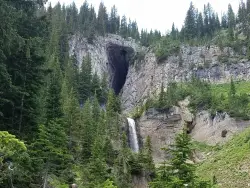
Darby Wind Cave
Driggs, Idaho
7.6 miles E of Driggs, IdahoWaterfalls, wildflowers, creek crossings, and a wind cave high on the canyon wall — Darby's switchback trail rewards hikers with views found nowhere else in the Tetons.
Backpack, Cave, Hike, Rock Climb Add Location
The Rimrocks
Billings, Montana
4.5 miles W of Billings, MontanaCracks, face climbs, and easily accessible anchors on the sandstone rimrocks above Billings — a popular local winter climbing spot with great routes and high rockfall potential.
Rock Climb 3.9-14.4 mi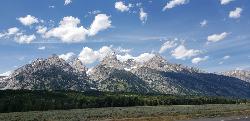
Grand Teton
Jackson Hole, Wyoming
17.6 miles N of Jackson Hole, WyomingAt 13,770 feet, the Grand Teton towers over Western Wyoming — all popular routes require rock climbing gear and are for skilled climbers only, with 3,000 feet of exposure where a fall is fatal.
Backpack, Hike, Rock Climb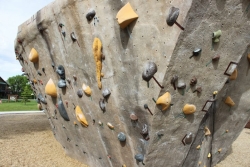
Phil Baux Park
Jackson, Wyoming
0.5 miles S of Jackson, WyomingA neighborhood park with playground basics plus the Teton Boulder Project — three 12-foot natural-style rock climbing structures with routes from beginner to advanced, alongside a mountain memorial.
Rock Climb 13.8 mi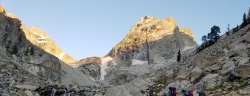
Middle Teton
Jackson Hole, Wyoming
17.6 miles N of Jackson Hole, WyomingThe 12,804-ft Middle Teton rewards serious alpinists with glacier bouldering through the Southwest Couloir and panoramic views of the Grand, South, and surrounding Tetons.
Backpack, Hike, Rock Climb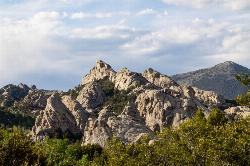
City of Rocks National Reserve
Malta, Idaho
23.3 miles SW of Malta, IdahoOver 700 developed climbing routes on granite spires rising 30 to 600 feet in Idaho's City of Rocks — from 5.6 beginner routes to 5.13 expert lines, with trad, sport, and full-range technique all welcome.
Camp, Hike, Horseback, Mountain Bike, Rock Climb 0.3 mi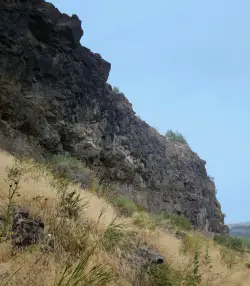
Pointless Crag
Ririe, Idaho
6.8 miles E of Ririe, IdahoA BLM sport climbing crag in the South Fork area near Ririe — short routes with suspect rock, fixed anchor biners for lowering (not yours to take), and a dedicated parking area 2.7 miles up South Fork Road.
Rock Climb 0.2-0.4 mi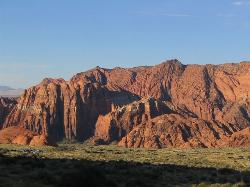
Snow Canyon State Park
St. George, Utah
8.4 miles NW of St. George, UtahA smaller, quieter cousin to Zion, Snow Canyon offers mountain biking, rock climbing, caving, and desert exploration near the Tuacahn amphitheater outside St. George.
Cave, Hike, Mountain Bike, Rock Climb
American River Confluence
Auburn, California
2.2 miles NE of Auburn, CaliforniaThe Confluence — where the North and Middle Forks of the American River meet below Foresthill Bridge — is Auburn's favorite swimming and rafting hub.
Hike, Horseback, Kayak, Rock Climb, Swim, Whitewater
The Arcane
Ririe, Idaho
13.1 miles E of Ririe, IdahoThe Arcane is a rugged rock-climbing crag in the canyon country of eastern Idaho, up the South Fork Snake River drainage past Heise and the Kelly Canyon area, roughly 23 miles from Idaho Falls. A...
Rock Climb
- Plan Ahead and Prepare. Know the regulations and special concerns for the area you'll visit. Prepare for extreme weather, hazards, and emergencies. Schedule your trip to avoid times of high use. Visit in small groups when possible. Consider splitting larger groups into smaller groups. Repackage food to minimize waste. Use a map and compass to eliminate the use of marking paint, rock cairns or flagging.
- Travel & camp on durable surfaces. Durable surfaces include established trails and campsites, rock, gravel, dry grasses or snow. Protect riparian areas by camping at least 200 feet from lakes and streams. Good campsites are found, not made. Altering a site is not necessary.
- Dispose of waste properly. Pack it in, pack it out. Inspect your campsite and rest areas for trash or spilled foods. Pack out all trash, leftover food and litter. Deposit solid human waste in catholes dug 6 to 8 inches deep, at least 200 feet from water, camp and trails. Cover and disguise the cathole when finished. Pack out toilet paper and hygiene products. To wash yourself or your dishes, carry water 200 feet away from streams or lakes and use small amounts of biodegradable soap. Scatter strained dishwater.
- Leave what you find. Preserve the past: examine, but do not touch cultural or historic structures and artifacts. Leave rocks, plants and other natural objects as you find them. Avoid introducing or transporting non-native species. Do not build structures, furniture, or dig trenches.
- Minimize campfire impacts. Campfires can cause lasting impacts to the environment. Use a lightweight stove for cooking and enjoy a candle lantern for light. Where fires are permitted, use established fire rings, fire pans, or mound fires. Keep fires small. Only use sticks from the ground that can be broken by hand. Burn all wood and coals to ash, put out campfires completely, then scatter cool ashes.
- Respect wildlife. Observe wildlife from a distance. Do not follow or approach them. Never feed animals. Feeding wildlife damages their health, alters natural behaviors, and exposes them to predators and other dangers. Protect wildlife and your food by storing rations and trash securely. Control pets at all times, or leave them at home. Avoid wildlife during sensitive times: mating, nesting, raising young, or winter.
- Be considerate of other visitors. Respect other visitors and protect the quality of their experience. Be courteous. Yield to other users on the trail. Step to the downhill side of the trail when encountering pack stock. Take breaks and camp away from trails and other visitors. Let nature's sounds prevail. Avoid loud voices and noises.


