


Diving
For the daring and thrill-seeking adventurers out there, bridge and cliff jumping offer the chance to push your limits and experience the rush of jumping from great heights into the unknown. Whether you're a seasoned pro or a first-timer, the rush of leaping off a bridge or cliff is an experience you won't soon forget.
It's important to note that safety should always be a top priority when engaging in activities like bridge jumping or cliff diving. Make sure to research the location beforehand and check the water depth to ensure it is safe to jump. It's also a good idea to have a trusted friend or guide with you to help keep an eye on things.
So why do people do this? For some, it's the thrill of the jump and the rush of adrenaline that comes with it. For others, it's the opportunity to test their limits and push themselves out of their comfort zone. Whatever your reason may be, just make sure to be cautious and always prioritize safety.
So how do you get started jumping off of bridges and cliffs? Start by doing your research and finding a reputable location with experienced guides or jumpmasters. Make sure to follow all safety guidelines and procedures, and don't be afraid to start small and work your way up to bigger jumps. With the right preparation and mindset, bridge and cliff jumping can be an exciting and thrilling experience.
Just remember: safety first! Do your research, check the water depth, and always have a trusted friend or guide with you. Now go out and make that unforgettable leap!"
Here's some of our favorite diving platforms
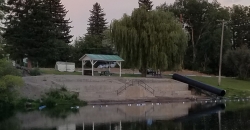
St. Anthony Sandbar
Saint Anthony, Idaho
0.2 miles SE of Saint Anthony, IdahoCLOSED. //// Sand Bar Update //// ***As of 27 June 2019 *** The Sand Bar is still closed to ALL swimming, please do not cross the boundary line. We are closely monitoring the river flows (currently at 2100 CFS) we typically like to see the levels at approximately 1200 CFS before swimmers are allowed in the water. We are anticipating opening the Sand Bar to swimmers very soon, we ask that you be patient and respect the closure until then. SAPD. A community river park with 60-plus years of history — water slide, diving board, floating platform, sandboxes, playground, and roped shallow and deep swimming areas on Henry's Fork.
Dive, Swim Add Location 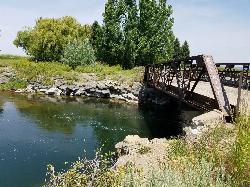
Twin Bridges
St. Anthony, Idaho
6.6 miles NE of St. Anthony, IdahoAn old abandoned bridge with two jump levels, a rope swing, and a little sandbar upstream — rarely crowded and great for families on warm days.
Dive, Swim 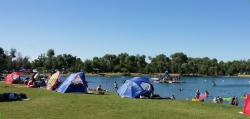
Jefferson County Lake (AKA Rigby Lake)
Rigby, Idaho
2.0 miles N of Rigby, IdahoSandy beaches, two floating docks with a slide, volleyball, playgrounds, and a safe swim zone — Jefferson County Lake is eastern Idaho's go-to summer swimming spot.
Camp, Canoe, Dive, Kayak, Sled, Swim 
Horseshoe Lake
Ashton, Idaho
18.3 miles E of Ashton, IdahoA lily-pad-dotted lake hidden in the Targhee National Forest with a gradual beach entry perfect for wading, a floating dock for jumping, and no motorized boats.
Camp, Canoe, Dive, Swim 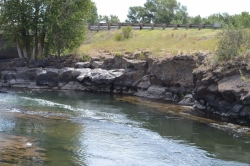
Fall River Bridge
Ashton, Idaho
6.6 miles SW of Ashton, IdahoA rope swing under a railroad bridge and a swimming hole just north — pull off Highway 20, check the mid-river rocks for water level, and enjoy a quick summer splash.
Dive, Swim 11.6 mi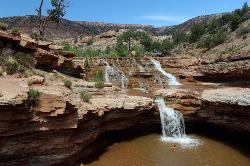
Toquerville Falls
La Verkin, Utah
6.6 miles N of La Verkin, UtahLedges, falls, a ladder to the best jumping spots, and a 7-foot-deep pool at the end of a 5.5-mile sandy desert drive — but stay away from the brittle, injury-prone cliff edges.
Dive, Hike, Mountain Bike, Swim 0.6 mi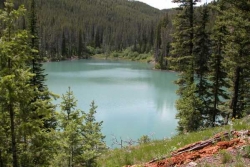
Packsaddle Lake
Tetonia, Idaho
9.3 miles W of Tetonia, IdahoA secluded, steep-access Teton lake with a 300-foot descent from the trailhead, water that drops off quickly at the edge, and a small camp on the eastern shore.
Dive, Hike, Mountain Bike, Snowshoe, Swim 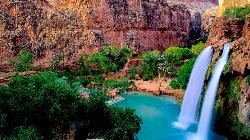
Havasu Falls Trail
Flagstaff, Arizona
89.4 miles NW of Flagstaff, ArizonaThe legendary turquoise waterfalls of Havasu Canyon on the Havasupai Reservation — a permit-only, roughly 10-mile hike to one of the Southwest's most unforgettable desert oases.
Backpack, Dive, Horseback, Swim 1.1-4.6 mi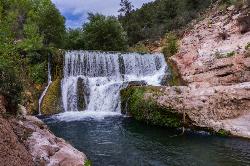
Fossil Creek Dam (Toilet Bowl)
Pine, Arizona
6.6 miles W of Pine, ArizonaA waterfall over an old Fossil Creek dam with a spinning natural rock slide that launches swimmers into the main pool — plus a shallow cave for shade on hot Arizona days.
Dive, Hike, Swim 0.2-0.6 mi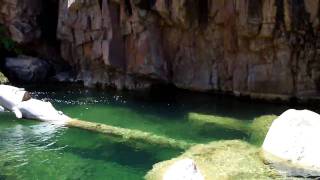
Ellison Creek Falls
Payson, Arizona
9.1 miles N of Payson, ArizonaFour waterfalls, multiple swimming holes, and trout fishing along Ellison Creek near Payson — the most popular stop is a short walk from the parking lot.
Dive, Hike, Swim
- Plan Ahead and Prepare. Know the regulations and special concerns for the area you'll visit. Prepare for extreme weather, hazards, and emergencies. Schedule your trip to avoid times of high use. Visit in small groups when possible. Consider splitting larger groups into smaller groups. Repackage food to minimize waste. Use a map and compass to eliminate the use of marking paint, rock cairns or flagging.
- Travel & camp on durable surfaces. Durable surfaces include established trails and campsites, rock, gravel, dry grasses or snow. Protect riparian areas by camping at least 200 feet from lakes and streams. Good campsites are found, not made. Altering a site is not necessary.
- Dispose of waste properly. Pack it in, pack it out. Inspect your campsite and rest areas for trash or spilled foods. Pack out all trash, leftover food and litter. Deposit solid human waste in catholes dug 6 to 8 inches deep, at least 200 feet from water, camp and trails. Cover and disguise the cathole when finished. Pack out toilet paper and hygiene products. To wash yourself or your dishes, carry water 200 feet away from streams or lakes and use small amounts of biodegradable soap. Scatter strained dishwater.
- Leave what you find. Preserve the past: examine, but do not touch cultural or historic structures and artifacts. Leave rocks, plants and other natural objects as you find them. Avoid introducing or transporting non-native species. Do not build structures, furniture, or dig trenches.
- Minimize campfire impacts. Campfires can cause lasting impacts to the environment. Use a lightweight stove for cooking and enjoy a candle lantern for light. Where fires are permitted, use established fire rings, fire pans, or mound fires. Keep fires small. Only use sticks from the ground that can be broken by hand. Burn all wood and coals to ash, put out campfires completely, then scatter cool ashes.
- Respect wildlife. Observe wildlife from a distance. Do not follow or approach them. Never feed animals. Feeding wildlife damages their health, alters natural behaviors, and exposes them to predators and other dangers. Protect wildlife and your food by storing rations and trash securely. Control pets at all times, or leave them at home. Avoid wildlife during sensitive times: mating, nesting, raising young, or winter.
- Be considerate of other visitors. Respect other visitors and protect the quality of their experience. Be courteous. Yield to other users on the trail. Step to the downhill side of the trail when encountering pack stock. Take breaks and camp away from trails and other visitors. Let nature's sounds prevail. Avoid loud voices and noises.


