


5 Quest-Caves by exploreorr
first prev 1 next last
Whipple Cave
Pioche, Nevada
49.1 miles NW of Pioche, NevadaWhipple cave is located in the Egan mountains in Nevada. The mountains are limestone and over centuries, water has dissolved through long tube-like cave that's approx. 70 to 90 ft wide and 60 to 70 ft. high. Water has also continued to move through the mountain and seep into the cave, creating an array of unique and interesting cave formations such as stalagmites, stalactites, columns, flow stone, soda straws, cave bacon, popcorn, and various crystals. You will need a 165 ft rope and headlamps to rappel into the cave. There are some spots within the cave that climbers can squeeze through in order to get in certain place in the cave. You can camp on the outskirts of the cave at night time, it's free but it does get windy at sunset.
Gore's Cave
Boise City-Nampa, ID, Idaho
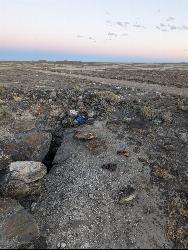
33.1 miles SE of Boise City-Nampa, ID, IdahoGore's Cave is a remote desert lava tube hidden in the high-desert plains southeast of Boise, Idaho — a hollow volcanic tunnel left behind by molten lava that once flowed across the Snake River Plain. For Boise-area explorers willing to venture off the beaten path, it's a genuine slice of underground adventure: a cool, dark cave carved entirely by ancient volcanic activity, far from the crowds.
Like Idaho's other lava tubes, Gore's Cave formed when a river of molten rock crusted over on the surface while the lava beneath kept flowing and eventually drained away, leaving a tube-shaped cavern in its wake. The result is a rugged, rocky passage to pick your way through — the kind of place that rewards a sense of adventure and a good light.
Getting there is part of the challenge. The cave lies out in the open desert south of Boise, reached by heading south on Pleasant Valley Road and navigating the dirt tracks beyond — a high-clearance vehicle and a reliable map or GPS are strongly recommended, since there's little signage and the desert roads can be rough. Note that the area sits near the Orchard military training range, so watch for posted signs and stay well clear of any restricted or active zones.
Inside, there's more to see than you might expect for a desert lava tube. Explorers describe “lava candles” and other drip formations along the walls and ceiling, along with sparkling crystal formations, and a few tight side rooms worth a crawl if you don't mind squeezing. A curious feature is the strong wind that whips out of the entrance — a sign the cave connects to other openings underground. Note that some visitors have found the main passage partly collapsed or filled in over the years, so conditions can change, and the entrance, while right along the road, can be genuinely hard to spot.
One serious warning: this is prime rattlesnake country. Multiple visitors report seeing lots of rattlesnakes here, especially in the warmer months, so watch carefully where you step and put your hands, both around the entrance and inside the cave.
Come prepared for true backcountry caving. Bring at least two light sources (a headlamp plus a backup), wear a helmet and sturdy closed-toe shoes, and pack a layer, since the cave stays cool even when the desert above is baking. There's no water, no shade, and no cell service out here, so carry plenty of water, tell someone your plans, and never explore a cave alone. Watch your footing on the loose, rocky floor.
For those who like their adventures a little off-grid, Gore's Cave delivers — a quiet, otherworldly lava tube in the wide-open Idaho desert, and a reminder of the volcanic forces that shaped this whole corner of the state. Pack your lights, bring a friend, and leave it just as wild as you found it.
Coffee Pot Crater / Jordan Craters
Jordan Valley, Oregon
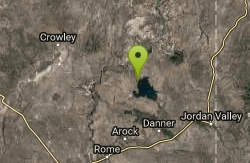
23.7 miles NW of Jordan Valley, OregonJordan Craters is one of Oregon's most otherworldly landscapes — a vast, young volcanic lava field sprawling across the remote high desert of Malheur County in the state's far southeastern corner. Covering some 27 square miles of jet-black olivine basalt erupted less than 30,000 years ago, this BLM-protected area is a surreal moonscape of craters, lava tubes, and rippled “pahoehoe” flows — a geologist's dream and an unforgettable off-the-beaten-path adventure.
The centerpiece, and the only feature you can drive right up to, is Coffee Pot Crater — a well-preserved, steep-sided volcanic vent covering about two-thirds of a square mile. From the parking area, a roughly one-mile loop circles the rim and drops along a red-cinder path into the heart of the crater. Beyond it, you can explore the frozen black sea of lava, picking your way along cow tracks and collapsed lava tubes through one of the most pristine basalt flows in the country.
Come prepared — this is rugged, remote country. The lava is razor-sharp and the footing treacherous, with hidden open pits and no marked trails, so watch every step. There's no water, no shade, and no cell service, and the black rock soaks up heat, reaching well over 120 degrees on summer days, so spring and fall are far better times to visit.
Getting there is a commitment: from Highway 95 about 8 miles north of Jordan Valley, it's roughly 26 miles of dirt road (the last stretch needs high-clearance four-wheel drive, and the route turns impassable when wet). Carry plenty of water and food, tell someone your plans, wear sturdy boots, and pack out everything. For lovers of wild geology and true solitude, Jordan Craters is a one-of-a-kind Oregon wonder.


